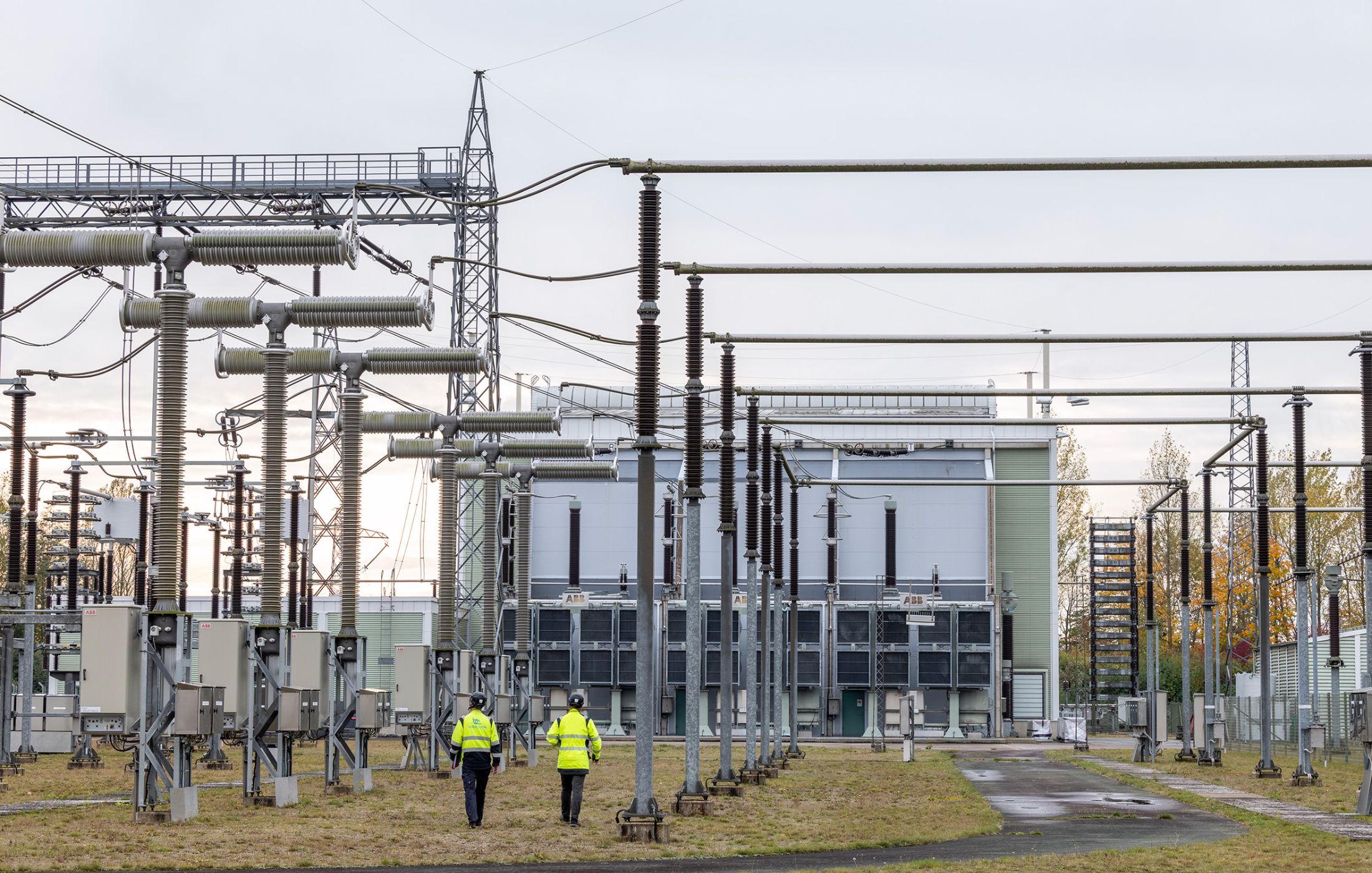
As of 14 September, Baltic Cable is back in operation following the summer outage. This means that up to 600 MW of transmission capacity between Sweden and Germany is once again available to the electricity market.
Baltic Cable connects the Swedish and German electricity systems enabling the transmission of up to 600 MW between Sweden and continental Europe. At 09:00 on 14 September, Baltic Cable resumed normal operations following an outage that began on 22 June 2026 due to a technical fault affecting the infrastructure.
The HVDC interconnector between Sweden and Germany is an important part of Sweden’s integration with the European energy market and enables electricity to be imported and exported depending on market conditions. The interconnector contributes to a more flexible and resilient electricity system, particularly during periods of high demand, low generation or disruptions to either country’s electricity system.
“It is positive that the repair work has been completed and that Baltic Cable’s capacity is once again available to the market. By enabling electricity to flow to where it is most needed, interconnectors contribute to a more flexible electricity system and more efficient use of available electricity generation,” says Kajsa Hedberg, CEO of Baltic Cable.
Given the recent focus on electricity prices, it is worth noting that electricity prices in southern Sweden and northern Europe generally move in line with one another over time and are influenced by several factors, including generation availability, demand, and weather conditions.
Information on Baltic Cable’s operational status and available transmission capacity is published continuously via Nord Pool’s UMM platform and the European Transparency Platform.